

Acquiring new customers is one of the biggest challenges that companies currently face and the entire strategy, especially Digital Marketing, is focused on lead generation (contacts). This involves understanding the behavior of the company's target audience and the market in which it operates to create marketing campaigns focused on capturing leads.
This entire process must be very clear and that is why throughout this article we will explain in greater depth what the lead generation.
Let's start by defining what a lead is.
What is a lead?
In a very simple way a lead is a person who, in some way, is interested in a product or service from your company. However, it is not enough to receive leads to have immediate success, you need to know how to qualify them so that the sales strategy is successful.
This interest is generally demonstrated by filling in data on a form found on a landing page.
The lead becomes to be part of a sales funnel of the company that wants the contacts and that always works on them with the simple and concrete objective of closing the deal. Simply put, a lead is a user that is within reach of your company, regardless of the digital channel to which they are connected and who are interested in your products/services.
Why is lead generation so important?
The purchasing process has undergone several transformations over the years. And companies need to find new ways to reach their desired target audience amid all the communication and noise generated today. And instead of just using not very effective means to reach people – as is the case with mass advertising – companies must now focus on what is really happening around them and develop new strategies for specific niches related to its areas of activity with a view to maintaining longer-lasting customer relationships.
Now it is important to understand the dynamics behind this phenomenon. Behind this phenomenon we have 4 crucial factors to always take into consideration for the process of lead generation run the best way.
To know:
1 – Landing Pages
A landing page is a web page (known as a destination page) where the user arrives for a different purpose – leaving their contact details through a form so that it is possible to contact them later.
Example of a landing page for a multifunction printer customer:
2 – Forms
Forms are usually on these landing pages and consist of a series of fields (as in the example in the image above) that are responsible for collecting relevant information about users.
Example form for home loan life insurance customer:
3 – Offer
The offer is the content or some valuable material that your company had to offer the customer and that is possible to place on the landing page. Remembering that this offer must have enough value and relevance for the user to feel comfortable and willing to leave their contact details.
4 – Call-to-Action
O CTA is a small image, button or message that invites your users to make some type of decision on our landing page. When it comes to the lead generation, this action invites the user to click on the button to submit their data and send them to your company.
These 4 aforementioned factors are crucial to generating the best leads, however not all leads are generated equally (nor are they qualified in the same way). And unfortunately, there is no guarantee that a lead will turn into a customer.
Stages in handling leads
With the lead generation em curso surge o próximo passo de extrema importância que se trata de classificarmos as diferentes leads geradas e isso vai depender de empresa para empresa. Essa classificação mais descritiva das leads é baseada em diferentes etapas do processo de qualificação de leads, que são as seguintes:
1 . Gross Lead
When a lead is generated and before any contact or treatment, it is considered a gross lead.
2. Marketing-Qualified Leads (MQL's)
MQL are the leads that showed interest in purchasing the product/service. An MQL is interested in your product, but not yet ready to buy.
In most cases, they still need additional information or assistance from the sales team to make a purchasing decision. These leads are priorities as they are closer to the end of the funnel.
3. Sales-Qualified Leads (SQL's)
A sales-qualified lead shows an immediate interest in purchasing on the part of the user. At this stage, the lead can be considered a prospect and is about to be converted into a sale. It is a lead that was successfully worked on by the sales team.
Investing in a lead generation strategy that can arouse the interest of your potential customers, guiding them throughout the process until they choose your company is increasingly important these days in the life of companies. From the moment these people show a genuine interest in your business/company, they begin to create a relationship with your company, making the contact process easier and more natural and, consequently, closing the sale.
Sources of traffic for lead generation
Gone are the days when customers view advertisements in the typical paper newspaper and call the company with questions about a particular product. The expansion of digital platforms has allowed customers to move from traditional media, such as newspapers and television, to social media (Facebook Ads, Google Ads, Email Marketing, Linkedin Ads, Bing Ads, among others…). And with so many platforms and channels available for generating leads, it's difficult not to generate the best contacts for companies. However, it is necessary to know how to choose the right approach and channel for each product and each customer.
Below we present the most used lead generation channels currently on the market and with which we can help you expand your business:
1 – Lead generation via Google Ads
Communicating through this type of platform probably generates the most qualified leads of all means. Well, we can display targeted ads around keywords that customers search for, which capture the attention of a potential leader as they search for your company's keywords online.
The user will then be directed either to the website or to a landing page where they will find a form to fill out, thus generating contact. And the best of all is that on this channel we only pay when the user clicks on the ad!
The example below is for a user who searched for the keyword “life insurance” and is only presented with ads related to the keyword in question.
2 – Lead generation via Email Marketing
Lead generation via email marketing is another of the options we have at our disposal to make the lead generation. The fact that we work with several different partners in the sector who have databases helps us reach a segment of customers that would not be possible without this tool.
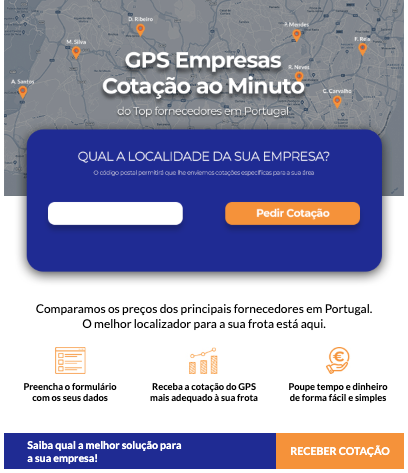
E-mail, through a newsletter, helps us to provide the user with more information about the customer's product or service. Complementary and more simplified information than what we find on the landing page.
Example of newsletter for GPS location customer:
3- Lead generation via Facebook Ads
If we have a company and we are communicating on a platform with 2.3 billion users we will certainly find our target audience there. And that's exactly what we're talking about when we talk about Facebook.
Ads will be displayed not only in the Facebook feed but also on Instagram, Marketplace, videos, stories, among others.
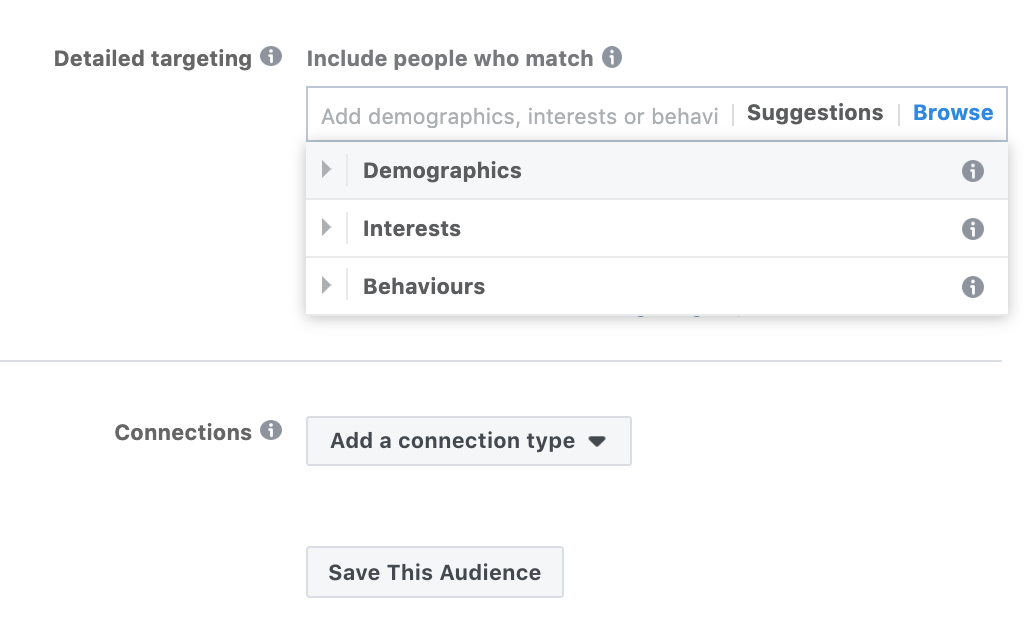
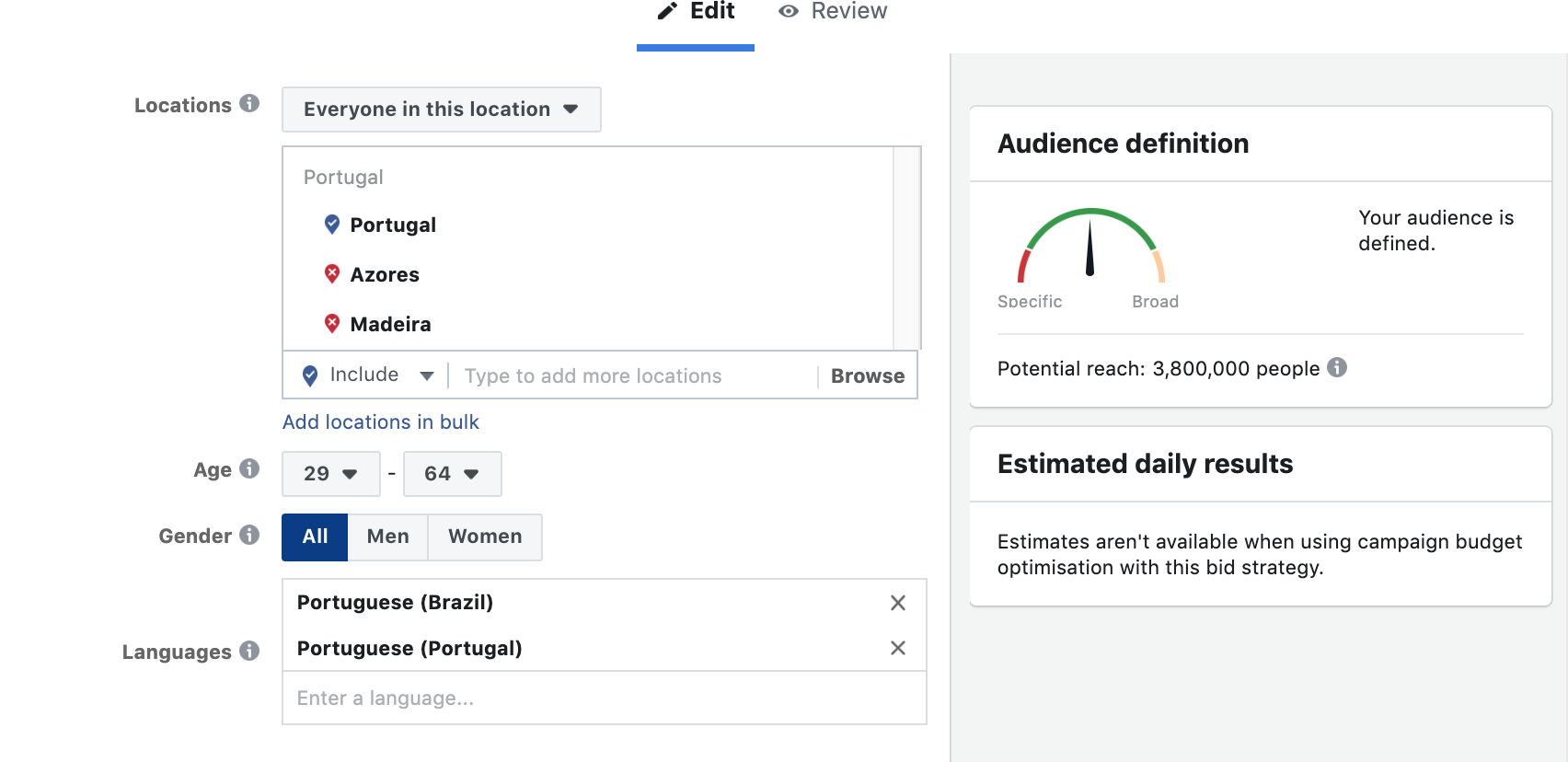
Communicating through this platform is likely to generate the highest volume of leads than all other channels, which can be explained by the number of people registered on the platform. Here on this platform, segmentation is not done by keywords but by interests, behaviors and demographics, ages, parents and language of the user as we can see below:
The user will then be directed either to the website or to a landing page where they will find a form to fill out, thus generating contact.
A lead generation It is very important for the growth of a business/company. The purchasing process has changed substantially and companies need to focus on the online aspect to remain relevant in the industry in which they find themselves.
See other articles:
Digital Marketing for Stands and Dealers